
 Off-Plan Primary
Q3 2028*
Off-Plan Primary
Q3 2028*
Dubai
Al Satwa: properties & projects
Culture
Al Satwa is one of the last old-school neighbourhoods in central Dubai, a low-rise grid of tailors, barbers and street food wedged between Sheikh Zayed Road and Jumeirah. It appeals to buyers betting on central land in transition, as the Meraas-led Jumeirah Garden City redevelopment reshapes the district's edges.
from 875.000
Entry price
9
Projects
Property types
Apartment 9
Top developers
 Enso Development
 Arsenal East Real Estate Development
 Alaia Developments
 Object One Real Estate Development
Lifestyle
Living and investing in Al Satwa
Al Satwa is Dubai before the gloss. The district sits in the very centre of the city, north of Sheikh Zayed Road and bordered by Jumeirah, Al Wasl and Bur Dubai, and it still runs the way it did decades ago: low-rise blocks, tailor shops that cut suits to measure, fabric traders and cafeterias where the food matters more than the decor. 2nd December Street, formerly Al Diyafah Street, remains its backbone. The reason Al Satwa matters to buyers is simple: this much central location at this level of modesty barely exists in Dubai any more, which is exactly why change is closing in on the district.
Location and connectivity
Few residential areas in Dubai are more central than Al Satwa. Sheikh Zayed Road (E11) runs along its southern edge, the World Trade Centre and DIFC towers are minutes away by car, City Walk borders the district, and the Jumeirah beaches are about a ten minute drive. Red Line metro stations along Sheikh Zayed Road are walkable from large parts of the neighbourhood, the bus network is dense, and Dubai International Airport is roughly 15 to 20 minutes away by car. Al Satwa is one of the rare places in Dubai where life genuinely works without a car, and for many residents that walkability is the whole point of living here.
Tailors, street food and a working neighbourhood
Anyone curious about pre-mall Dubai should walk 2nd December Street and Al Satwa Road. Tailors, barbers, hardware stores and fabric shops trade side by side with restaurants covering Pakistani, Filipino and Iranian kitchens, many of them unchanged for decades, and in the evenings the pavements belong to pedestrians. The honest flip side: the building stock is old, the district is dense, noisy and rough around the edges. Buyers expecting gated calm and concierge lobbies will not enjoy Al Satwa. Buyers who value atmosphere and daily convenience over polish will struggle to find anything comparable in the city.
Who is Al Satwa right for?
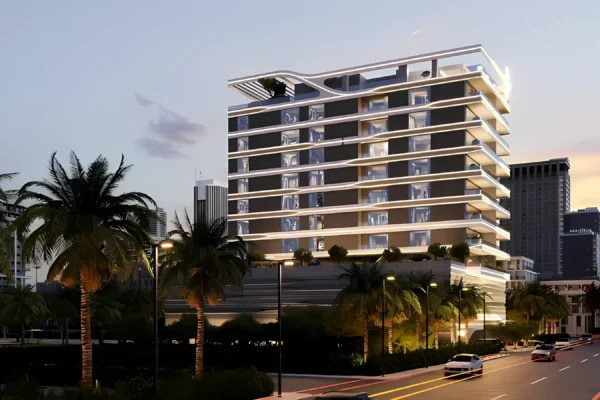
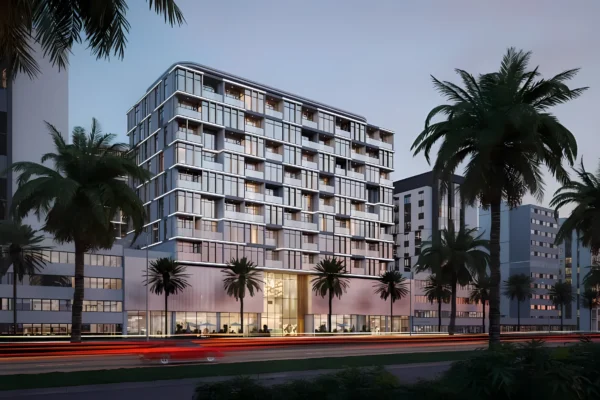
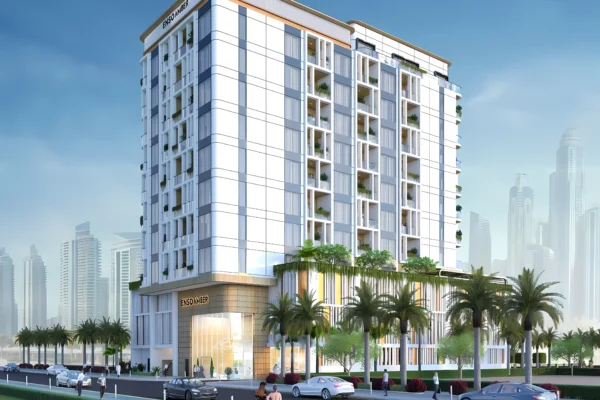
Al Satwa suits buyers who prioritise location over finish and read an inner-city district in transition as an opportunity. On its edges, Meraas is pushing ahead with Jumeirah Garden City, a redevelopment that replaces ageing stock with modern mid-rise blocks, and new projects cluster along exactly that seam. That is why investors watch the area: demand for central, walkable living is strong and supply is thin. Dubai Land Department transaction and rental data put the median gross rental yield at around 3.8 percent over the past year, before service charges and running costs, at median prices of around AED 24,900 per square metre, though the DLD district of Al Satwa is larger than the neighbourhood itself and also covers Jumeirah Garden City. The honest caveat is that much here is in flux, so timing and the choice of building deserve real care. Noble Assets Properties will tell you plainly what the redevelopment means for a specific property, with no sugar-coating.
Projects
Projects in Al Satwa
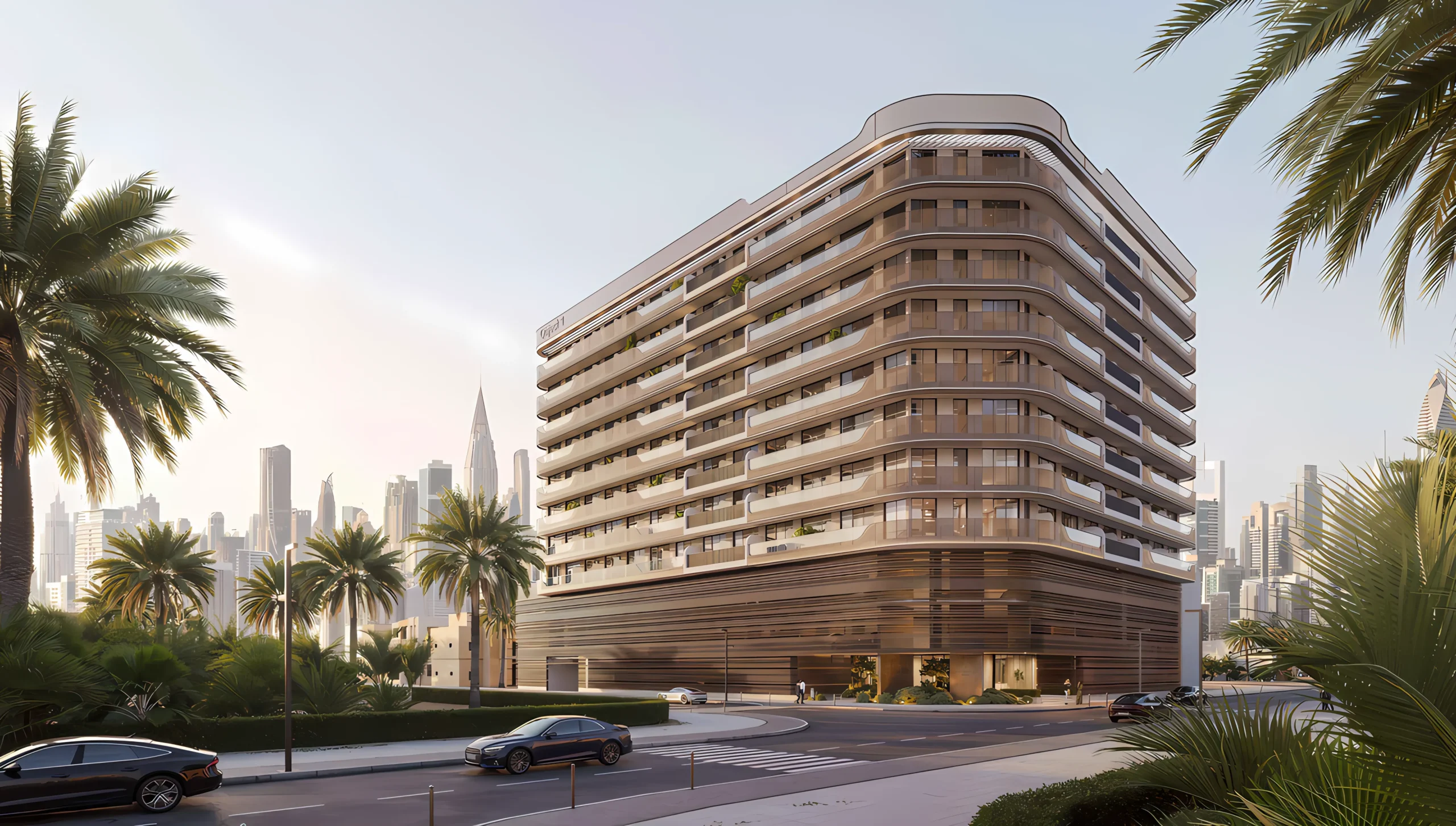
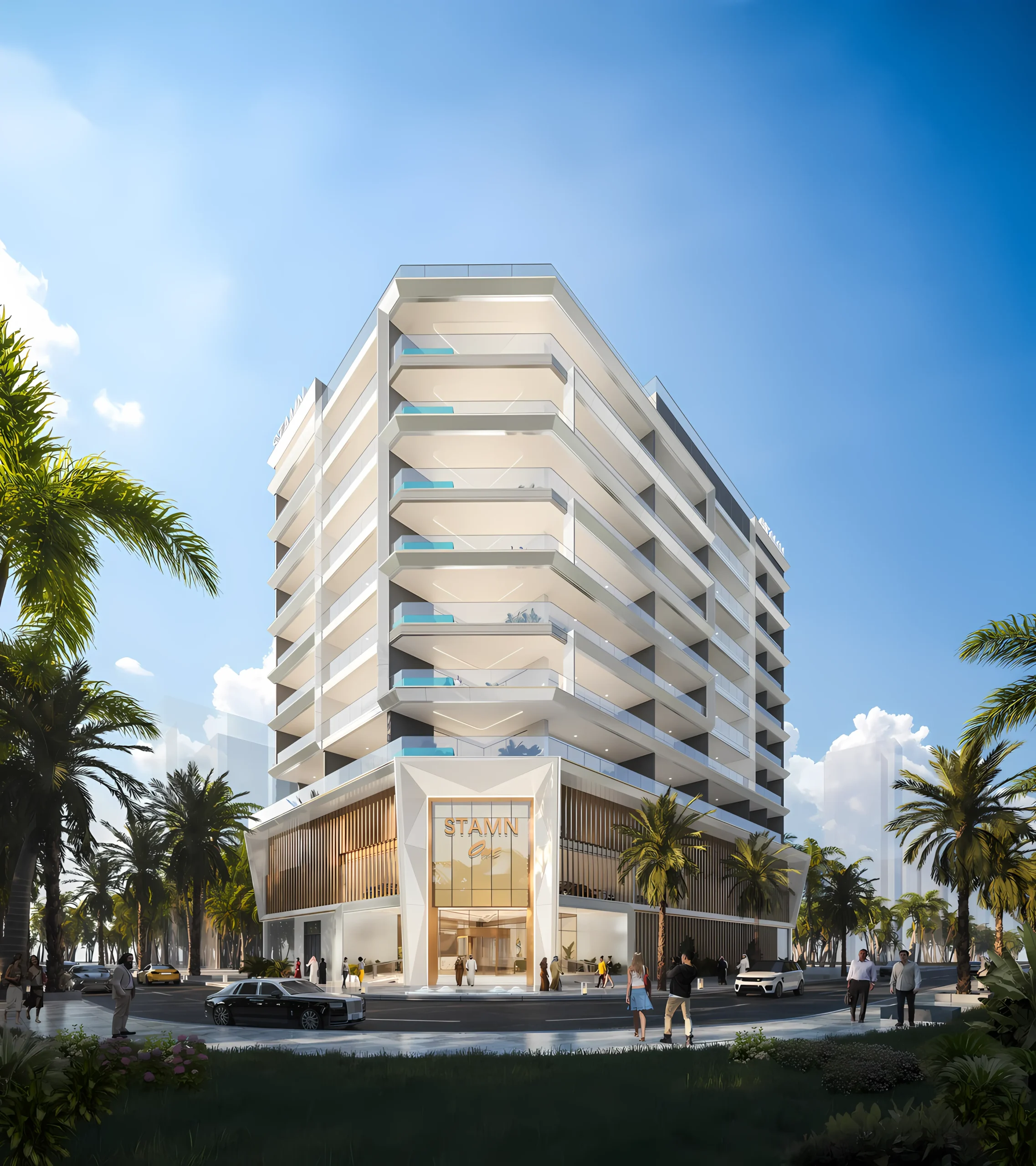
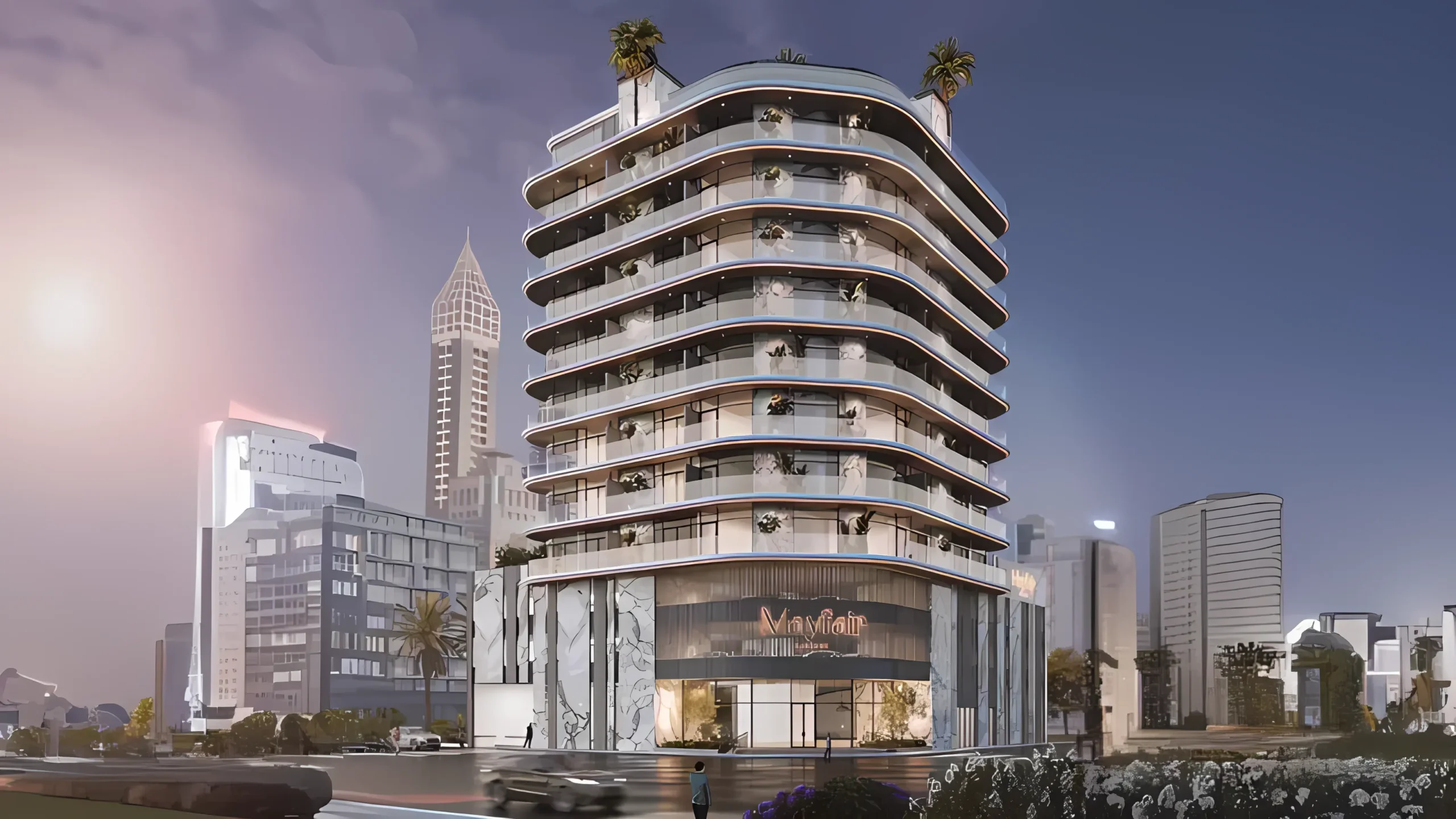
Nearby
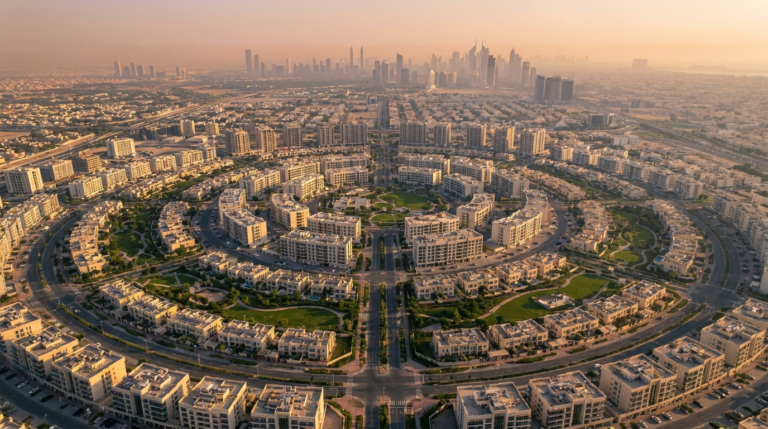
Nearby communities
FAQ
Frequently asked questions about Al Satwa
What is Al Satwa?
Al Satwa is a central, low-rise district in Dubai, just north of Sheikh Zayed Road between Jumeirah, Al Wasl and Bur Dubai. It is known for its tailors, fabric shops and multi-ethnic street food along 2nd December Street, formerly Al Diyafah Street, and counts among the city's last old-school neighbourhoods.
Is Al Satwa a good place to live?
It depends on what you want. Al Satwa offers genuine walkability, street life and an unbeatable central position, but the buildings are old and the district is dense and noisy. People who want new-build comfort and quiet compounds should look elsewhere; people who want character rarely find better.
How well connected is Al Satwa?
Extremely well. Sheikh Zayed Road runs along its southern edge, Red Line metro stations are within walking distance of much of the district, and the World Trade Centre, DIFC and City Walk are a few minutes away by car. It is one of the few Dubai neighbourhoods where daily life works without a car.
What does the Jumeirah Garden City redevelopment mean for Al Satwa?
Meraas is redeveloping the district's edges into Jumeirah Garden City, replacing ageing low-rise stock with modern mid-rise buildings. For buyers this creates opportunity on central land, but also uncertainty about individual plots and timelines, so careful selection matters more here than in settled areas. Dubai Land Department data for the wider Al Satwa district, which includes Jumeirah Garden City, put the median gross rental yield at around 3.8 percent over the past year, before service charges.
