Abu Dhabi investment zones are the only places in the UAE capital where a foreign buyer can hold freehold title, and since that rule changed in 2019 the market has moved fast. Germany now ranks among the six largest source countries for capital flowing in.
The essentials at a glance
- The Abu Dhabi Real Estate Centre recorded AED 117 billion across 25,714 transactions in the first half of 2026, a 112 per cent rise in value year on year.
- Foreign direct investment climbed 309 per cent to AED 13.8 billion over the same period, with the authority naming Germany among the top six source countries.
- Freehold ownership for foreigners is limited to designated areas. The UAE government portal lists nine of them, including Saadiyat, Yas Island and Al Reem.
- The emirate now counts 50 designated areas in total, eight of them approved in the first half of 2026 alone.
Abu Dhabi is the largest of the seven emirates by area and the capital of the United Arab Emirates. The Abu Dhabi Real Estate Centre, known as ADREC, maintains the property register there and publishes the transaction data this article draws on.
Contents
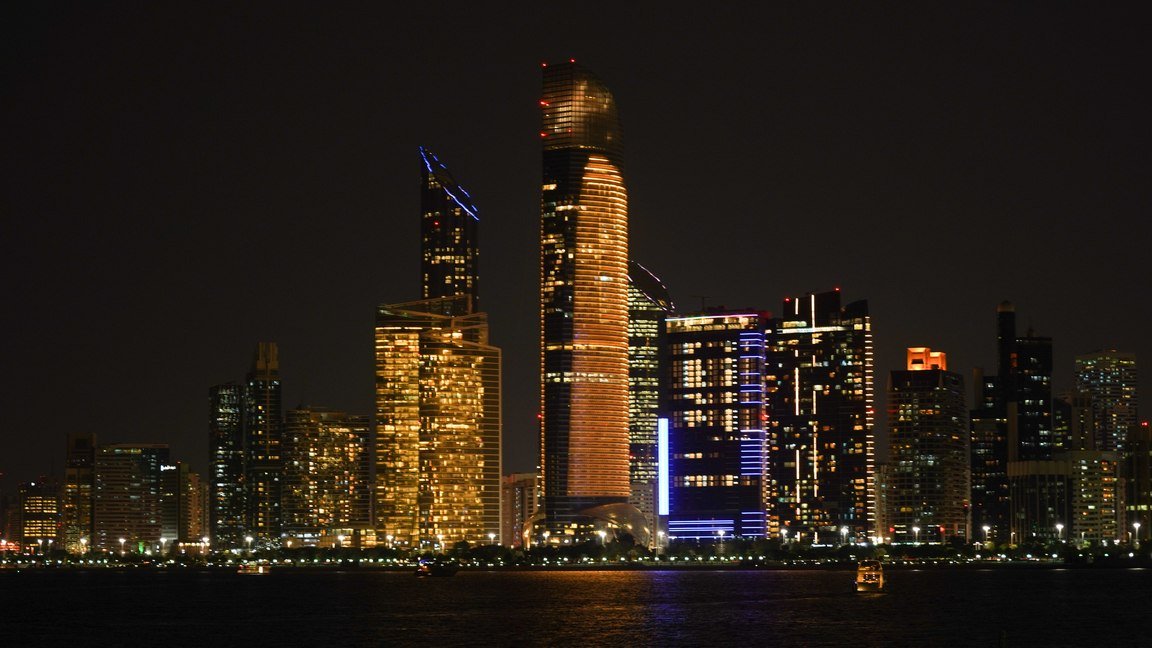
Which Abu Dhabi investment zones can foreigners buy in?
Foreign buyers may hold freehold title inside the Abu Dhabi investment zones only, a right granted by the 2019 amendment to the emirate’s property law and limited to the areas the UAE government portal u.ae names explicitly.
Before that change, anyone without Emirati nationality was restricted to a usage right of up to 99 years. Inside the designated areas the same ownership rules now apply as for nationals, with no time limit. That single change is the reason the market has accelerated over the past two years.
The government portal names these nine areas for foreign ownership:
- Saadiyat Island
- Yas Island
- Al Reem Island
- Al Maryah Island
- Lulu Island
- Al Raha Beach
- Sayh Al Sedairah
- Al Reef
- Masdar City
Outside the Abu Dhabi investment zones, freehold is not available to foreign buyers at all. That boundary is the first thing we settle in any conversation, because it governs the entire search.
How do the nine Abu Dhabi investment zones differ?
The nine areas run from Saadiyat, the museum island, through Yas with its Formula 1 circuit and theme parks, to Al Maryah, the financial district, and they differ less in legal status than in location, density and the buyer they suit.
Saadiyat Island carries the capital’s cultural weight, with the Louvre Abu Dhabi and further museum buildings, plus an unbroken stretch of beach. Portal operator Bayut reports a 6.13 per cent rise in the price per square foot for villas on Saadiyat in the first half of 2026.
Yas Island leans towards leisure, with the racing circuit, theme parks and a golf course, which draws a different audience. Bayut names Yas Island and Al Raha Beach in the same report as areas with a marked price increase.
Al Maryah Island is the financial and business district and sits within walking distance of the Abu Dhabi Global Market. Buyers looking at Abu Dhabi investment zones for work reasons usually end up here or on neighbouring Al Reem Island.
Al Reef and Masdar City sit lower down the price range and suit buyers who weigh practicality above address. Al Reef is an established residential community near the airport, Masdar City a district built around energy efficiency with its own transport concept. Both belong to the Abu Dhabi investment zones open to foreign freehold, even though they rarely appear in travel coverage of the emirate.
What do the latest transaction figures show?
The Abu Dhabi Real Estate Centre logged AED 117 billion across 25,714 transactions in the first half of 2026, a rise of 112 per cent in value and 61.7 per cent in volume against the same period a year earlier.
Sales alone accounted for AED 86.1 billion across 16,838 transactions, up 163.7 per cent. Mortgages made up AED 26.7 billion from 8,876 transactions. The full year 2025 had already set a record at AED 142 billion from 42,814 transactions.
For a European reader one other figure matters more. Foreign direct investment rose 309 per cent to AED 13.8 billion in the first half of 2026, and the number of participating nationalities grew from 82 to 116. The authority lists Germany among the six largest source countries, alongside the United Kingdom, China, Russia, the United States and France.
Which ownership type fits which buyer?
The emirate recognises three ownership types, and which one applies in the Abu Dhabi investment zones depends on the area and the plan, not on nationality alone.
- Freehold, full ownership with no time limit, available in the nine designated areas for apartments, villas and land.
- Usufruct, a usage right running 99 years.
- Musataha, a development and usage right running 49 years, renewable for a further 49.
Is musataha ever better than freehold?
Rarely inside the designated areas, where freehold is available and easier to resell. Musataha earns its place on development and commercial projects, where the land was never meant to be held permanently. ADREC recorded roughly AED 4 billion in musataha and long lease deals in the first half of 2026.
What should an overseas buyer settle first?
An overseas buyer should settle three things before the first viewing: whether the target area is a designated zone at all, which ownership type the seller is offering, and how payments are secured through an escrow account.
The difference from Dubai lies less in the process than in the shape of the market. Abu Dhabi is smaller, more strongly shaped by state-linked developers and easier to survey. Searching the Abu Dhabi investment zones is calmer for it, but it demands closer knowledge of each area, because there are fewer alternatives to fall back on.
We set out how this compares with the neighbouring emirate in our piece on Ras Al Khaimah investment in 2026, and the Al Marjan picture in Al Marjan Island investment. Current stock is in our property overview.
The market figures quoted here come from the Abu Dhabi Real Estate Centre, and the ownership rules from the UAE government portal.
If you want to know which of the nine areas fits your plan, talk to us. We work through that question before you view a single apartment, because the area decision carries further than the unit itself.